 JustThen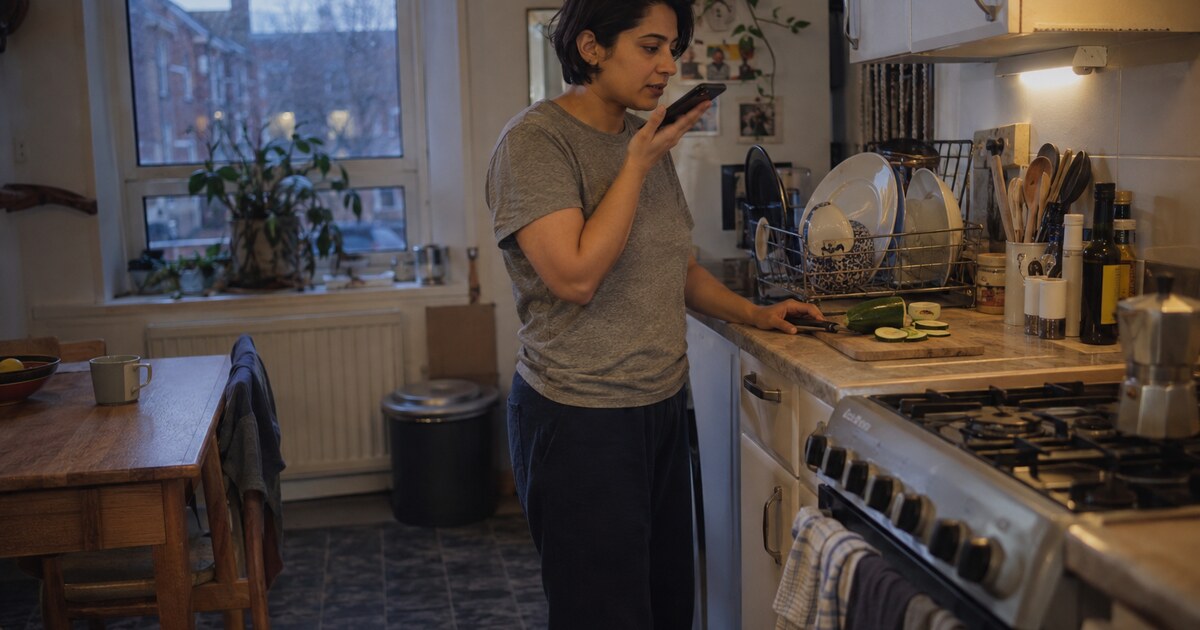
Is it safe to call someone from a dating app?
You’ve been chatting with someone, and you want to hear their voice without handing over your phone number. Calling can be a reasonable next step, especially through an in-app feature that keeps your number hidden, but no call can guarantee that someone is trustworthy. Anonymous calling removes the need to exchange numbers entirely; it does not remove every risk of talking to a stranger.
You can agree to a conversation without agreeing to contact outside the app. That gives you room to find out whether you enjoy talking before deciding what to share next.
What risk does anonymous calling remove?
An anonymous call that does not expose your number lets you speak without giving the other person that contact detail. They do not receive your number simply because you accept the call. If the conversation goes badly, you have not opened a separate route for calls and texts to your phone.
Australia’s eSafety Commissioner identifies in-app calling as a way to talk without revealing personal phone numbers or messaging details. Its online dating guidance also explains that sharing your number or moving elsewhere can make contact harder to break off.
The protection has a clear boundary: your number stays private only if you do not disclose it through another route. Reading it aloud, sending it in chat or switching to a service that displays it changes the situation.
“Anonymous” also needs a little unpacking. A feature might hide your number while leaving your dating profile visible. Check what the other participant can see before you start. A label alone does not tell you which details are hidden.
What is a Vibe Check call?
On JustThen, you can choose Vibe Check: a short anonymous voice call with no photo, no name and no video. Either person can end the call at any time, and it continues only if both want to.
Vibe Check is optional. You can keep typing, send a voice note if you want to, or choose a longer sealed written message through Love letters. Wanting a real connection does not mean you owe anyone a live conversation.
An anonymous call gives you a chance to hear how conversation feels without exchanging numbers. It does not prove the caller’s identity, intentions or relationship status. A pleasant voice is something you enjoyed hearing, rather than evidence that every claim is true.
How do you suggest a call without sharing your number?
Make the invitation specific: where you will call, roughly how long you have and what you prefer to keep private. You do not need to attach an apology.
Here is a message you can copy verbatim:
“I’ve enjoyed chatting. Fancy a short call here tomorrow evening? I’d like to keep my number private while we’re getting to know each other. Ten minutes would work for me.”
If they ask to move elsewhere, you can reply:
“I’m happy to talk using the app’s call option. I’m not ready to exchange numbers.”
Someone may have a practical reason for preferring another service. You can hear that reason and still keep your boundary. If the available options do not suit both of you, staying in chat or postponing the call is a complete answer.
Pay attention to what happens after you say no. “Sure, that works” leaves you a choice. Repeated demands, sulking or “you would if you trusted me” put pressure on that choice.
What should you check before the call?
A little preparation can make the first call easier to leave and less likely to reveal details accidentally.
- Check what the calling feature shares. Look for an explicit explanation of whether your number, name, photo or profile is visible.
- Find the end-call control. You should know how to leave before you need to leave quickly.
- Find blocking and reporting options. Check where they are and what information a report asks for.
- Choose a place where you can speak privately. Avoid taking the call while someone nearby is reading out your address or discussing personal details.
- Choose a manageable time. Give yourself enough space to talk without feeling obliged to stay for an hour.
Treat ten minutes as a suggested boundary, not a test the other person has to pass. You can end earlier. You can also enjoy the conversation and still finish when you said you would.
What can you talk about while keeping details private?
Start with something already shared in chat: the dinner they attempted, the film you disagreed about or the dog that interrupted their weekend. Familiar subjects give you somewhere to begin without turning the call into an interview.
Keep identifying details broad while you are getting to know someone. “I work in a primary school” can be enough without naming the school. You can describe a busy weekend without giving the time and place of a regular activity.
For example, if they ask exactly where you live:
“I’m keeping my exact location private for now, but I’m on the south side of the city. How was your weekend?”
You can also skip a question altogether. A boundary does not require a replacement detail.
For the conversational part, a simple first-call structure can help: return to something from chat, swap an everyday story, then leave space for their questions. A pause is ordinary. You do not need to fill it by sharing something personal.
What should make you end a call?
End the call whenever you want to stop. You do not need proof of dishonesty or a sufficiently serious incident.
Reasons to leave include repeated pressure for your number, sexual comments you have asked them to stop, insults, demands for money or requests for passwords and verification codes. An urgent story does not create an obligation to send anything.
Money requests and pressure to act quickly deserve particular caution. Familiarising yourself with romance scam warning signs can help you recognise a worrying pattern beyond one uncomfortable conversation.
A short exit is enough:
“I’m going to end the call now. I don’t want to continue.”
You can hang up without waiting for agreement. If someone becomes threatening or abusive, use the platform’s reporting tools. Save relevant messages and account details if you can do so safely, then block unwanted contact.
What should you decide after the call?
Give yourself a moment before sharing more. Ask whether you enjoyed the conversation, whether your limits were respected and whether you actually want another call. Those are separate decisions from exchanging numbers or arranging a date.
A good conversation can justify another conversation. It does not establish someone’s identity. Even a verification badge has limits; understanding what identity verification proves helps keep that signal in perspective.
You can continue using anonymous calls for as long as that suits you. There is no number of pleasant conversations after which someone becomes entitled to your phone number.
The short version
- Anonymous in-app calling removes the need to exchange numbers, provided the feature hides yours and you do not share it yourself.
- Check what the caller can see, keep identifying details private and know how to end the call.
- Pressure, money requests or ignored boundaries are reasons to stop; an enjoyable voice does not prove trustworthiness.
- Another call, sharing your number and meeting in person are separate choices. You can take each at your own pace.
Dating that starts with a real conversation.
Match on personality, then talk however suits you — a message, a voice note, a sealed letter, or an anonymous Vibe Check call.
Get JustThen — free